Skip to content
Why Many NYC Renters Decide to Buy
For many New Yorkers, renting starts as a practical choice. It offers flexibility, lower upfront costs, and the freedom to move around the city. However, after spending years paying increasing monthly rent, many long-term residents begin thinking differently about their future. That’s where the shift happens.
The idea behind How Long-Term NYC Residents Shift from Renting to Buying is rooted in one major goal: building stability and long-term wealth.💰
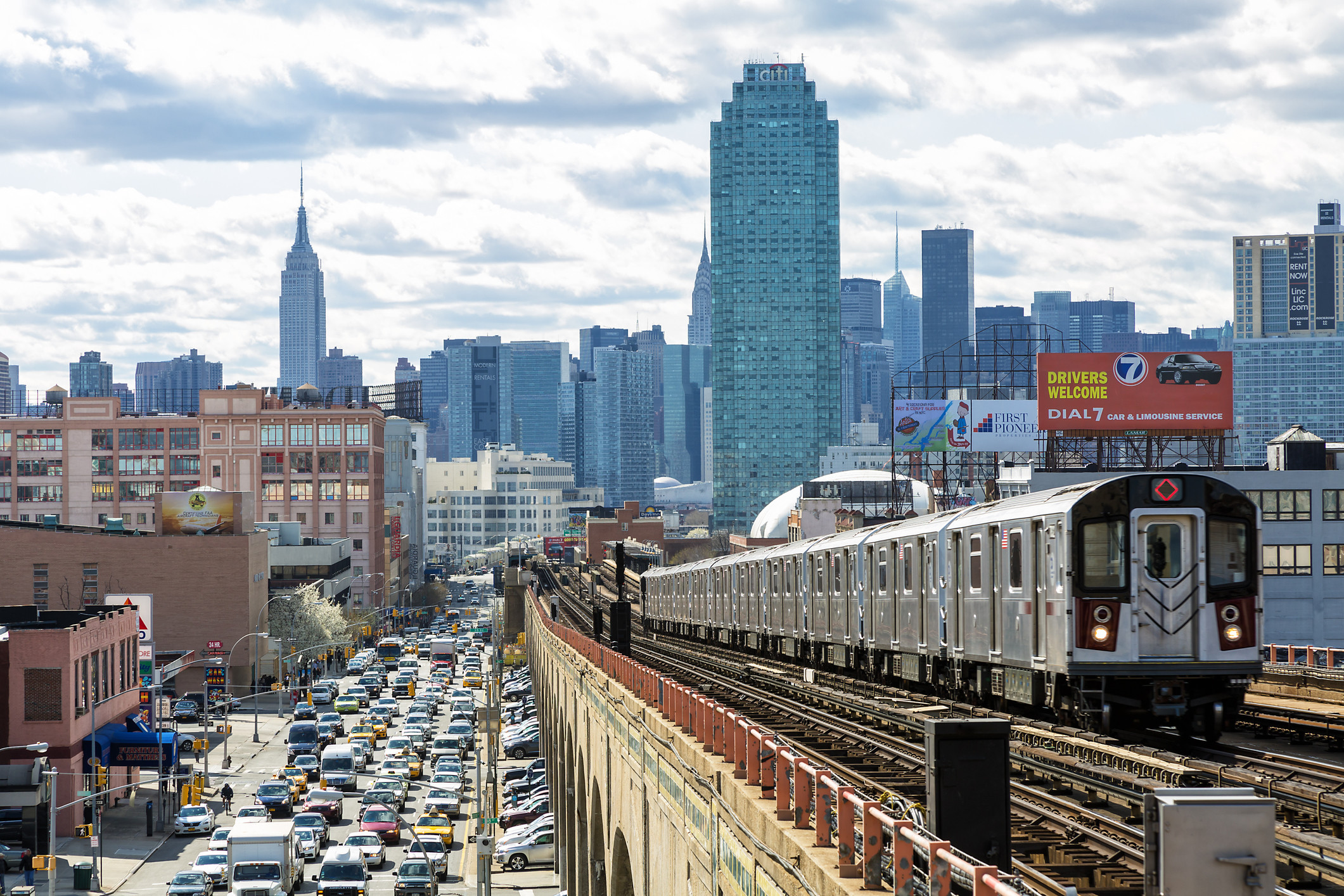
In cities like New York City, rent prices can rise dramatically over time. A renter who stays in the same apartment for ten years may spend hundreds of thousands of dollars without gaining ownership of any property. Buying a home changes that equation because monthly mortgage payments help build equity over time.
Another reason many renters transition into homeownership is emotional security. Owning a property creates a sense of permanence in a city known for constant movement. Instead of worrying about lease renewals or sudden rent hikes, buyers can establish roots and invest in their future.🌱
📉Rising Rent Costs and Financial Pressure
Rental costs across NYC continue to challenge residents. Areas once considered affordable are now attracting more buyers and investors. This pressure often motivates renters to compare monthly rent payments with mortgage costs.
Many discover that although buying requires larger upfront expenses, long-term ownership may create better financial outcomes. 🏦
Building Equity Instead of Paying Rent
Homeownership turns housing payments into an investment. Equity grows as mortgage balances shrink and property values potentially increase. Over the decades, this wealth can become a valuable financial asset.
🌆Understanding the NYC Housing Market
The NYC real estate market is unlike almost any other market in the United States. Buyers must understand housing types, neighborhood trends, and local regulations before making decisions.
Condos vs. Co-ops
One major learning curve for first-time buyers involves understanding the difference between condominiums and cooperative apartments.
| Feature | Condo | Co-op |
|---|---|---|
| Ownership | Own the unit directly | Own shares in a corporation |
| Approval Process | Easier | Often stricter |
| Flexibility | More rental freedom | More rules |
| Typical Cost | Higher | Sometimes lower |
Co-ops are extremely common in NYC and often have strict financial review processes. Condos usually provide more flexibility but often come with higher prices.
📍Neighborhood Trends Across the Boroughs
Neighborhood choice plays a huge role in affordability and lifestyle. Many first-time buyers focus on areas they already know well from years of renting.
Popular areas for emerging buyers include parts of:
- Queens
- Brooklyn
- The Bronx
These boroughs often provide more value per square foot compared to central Manhattan neighborhoods.
💳Financial Preparation for First-Time Buyers
The transition from renter to homeowner requires careful planning. NYC buyers usually spend years preparing financially before purchasing property.
📈Improving Credit Scores
Mortgage lenders review credit scores closely. A stronger score can help buyers secure better interest rates and lower monthly payments.
Renters preparing to buy often:
- Pay down debt
- Avoid opening unnecessary credit accounts
- Make payments on time consistently
- Reduce credit card balances
💵Saving for a Down Payment
Saving for a down payment in NYC can feel overwhelming. Depending on the property and loan type, buyers may need anywhere from 3% to 20% upfront.
Many long-term renters accelerate savings by:
- Sharing apartments temporarily
- Reducing luxury spending
- Taking freelance work
- Moving to slightly cheaper neighborhoods before buying
📑Budgeting for Closing Costs
Closing costs are another major surprise for first-time buyers. These expenses may include:
- Attorney fees
- Mortgage fees
- Inspection costs
- Taxes
- Insurance
Experts recommend building a financial cushion beyond the down payment.
⚠️Common Challenges NYC Buyers Face
The process of shifting from renting to buying is exciting, but it also comes with obstacles.
💸High Property Prices
NYC remains one of the most expensive housing markets in the country. Even small apartments can carry large price tags.
Because of this, many buyers adjust expectations by:
- Choosing smaller homes
- Expanding neighborhood searches
- Considering fixer-uppers
🤝Competitive Bidding Wars
Desirable properties often attract multiple offers. Buyers may need to act quickly and remain flexible during negotiations.
📋Mortgage Approval Requirements
Lenders evaluate:
- Income
- Employment history
- Debt-to-income ratio
- Savings reserves
Preparing documents early helps streamline the approval process.
🚀Strategies Long-Term Renters Use to Transition
Many successful NYC buyers follow practical strategies to make ownership achievable.
🏠Starting with Smaller Properties
A first property does not need to be a dream home immediately. Some buyers begin with:
- Studios
- Small condos
- Outer-borough apartments
These properties can help owners build equity and enter the market sooner.
👨💼Exploring Assistance Programs
Several programs help first-time buyers in NYC. The NYC Housing Preservation & Development Department offers resources for affordable housing and homebuyer assistance.
State and federal programs may also provide:
- Down payment support
- Reduced interest loans
- Tax incentives
🔑Working with Real Estate Professionals
Experienced professionals help buyers navigate contracts, negotiations, inspections, and financing.
Useful professionals include:
- Real estate agents
- Mortgage brokers
- Real estate attorneys
- Home inspectors
Lifestyle Changes After Buying
Owning property in NYC changes daily life in several ways.
🛋️Greater Stability and Freedom
Homeowners gain more control over their living spaces. They can renovate, decorate, and customize their homes without restrictions from the landlord.
Ownership also creates long-term housing predictability.
Maintenance and Ownership Responsibilities
Of course, homeownership includes new obligations:
- Repairs
- Property taxes
- Maintenance fees
- Insurance costs
Successful homeowners prepare for these responsibilities before buying.
🏘️Best Neighborhoods for First-Time NYC Buyers
Several NYC neighborhoods continue attracting long-term renters ready to buy.
| Neighborhood | Borough | Why Buyers Like It |
|---|---|---|
| Astoria | Queens | Transit access and community feel |
| Bay Ridge | Brooklyn | More space and family atmosphere |
| Jackson Heights | Queens | Cultural diversity and value |
| Riverdale | Bronx | Green spaces and quieter living |
Each area offers different advantages depending on budget and lifestyle preferences.
FAQs
Is buying in NYC better than renting long-term?
For many residents, buying can create long-term financial benefits through equity growth and housing stability.
How much money should NYC buyers save before purchasing? Many experts recommend saving enough for a down payment, closing costs, and several months of emergency reserves.
What is the biggest challenge for first-time NYC buyers?
High property prices and strict mortgage approval requirements are usually the biggest hurdles.
Are co-ops cheaper than condos in NYC?
Often yes, but co-ops may have stricter approval rules and limitations.
Can renters qualify for first-time buyer assistance programs?
Yes. Many programs specifically target first-time buyers transitioning from renting.
Which NYC borough is best for first-time buyers?
Queens and parts of Brooklyn are popular because they are more affordable than Manhattan.
🎯Conclusion
According to Shabir Ahmad, the journey described in How Long-Term NYC Residents Shift from Renting to Buying reflects more than a financial move — it represents a lifestyle transformation. For many New Yorkers, buying a home is about creating permanence in a fast-moving city while building wealth for the future.
Although the NYC housing market can feel intimidating, preparation makes a major difference. By improving finances, understanding local markets, exploring assistance programs, and setting realistic goals, long-term renters can successfully become homeowners.
Patience, strategy, and planning remain the keys to making the transition work in one of the world’s most competitive real estate markets.