 Skip to content
What Makes a Home Feel Expensive? 7 Design Details That Matter
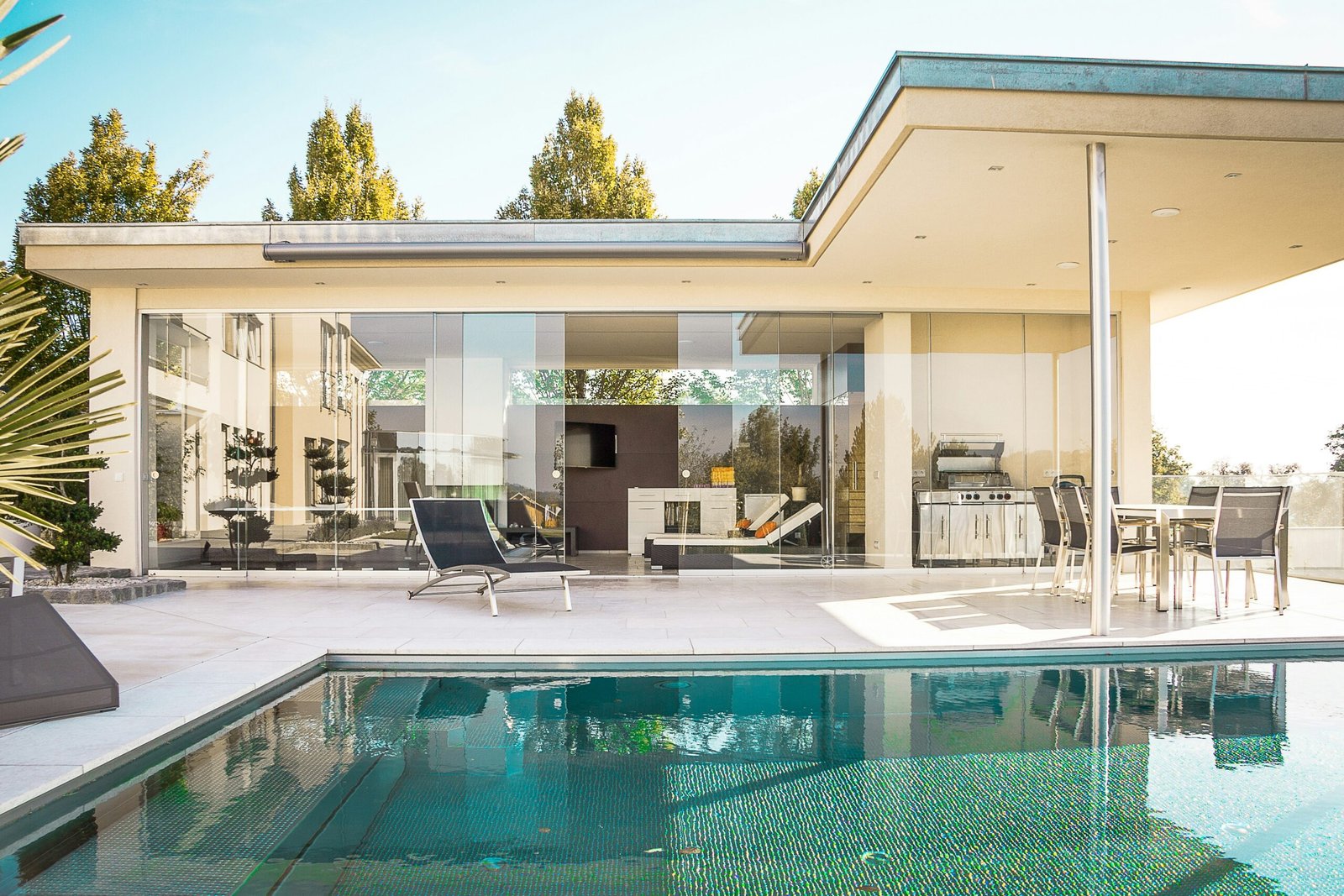
A home doesn’t need a huge price tag to feel luxurious.
Sometimes, it’s the small details that make the biggest difference. Thoughtful lighting, clean lines, quality finishes, and a well-planned layout can instantly make a space feel more polished.
This is especially true in New York City. From compact apartments to spacious townhomes, smart design can change how a home looks and feels without requiring a full renovation.
Whether you’re refreshing your current home or preparing to sell, here are seven design details that can give your space a more elevated feel.
1. Layered Lighting
Good lighting can completely change a room.
Instead of relying on one ceiling light, combine different sources. Use overhead lighting, floor lamps, table lamps, and accent lights to create depth.
Warm, well-placed lighting can make a space feel more comfortable and inviting.
Try this: Add a floor lamp beside a sofa or use under-cabinet lighting in the kitchen.
2. A Consistent Color Palette
A room can feel more refined when the colors work together.
You don’t need to use the same color everywhere. Instead, choose a simple palette and repeat similar tones through furniture, textiles, artwork, and accessories.
Neutral colors can create a clean backdrop, while small touches of contrast can add character.
Try this: Choose two or three main tones and repeat them throughout the room.
3. Quality-Looking Materials
You don’t need to replace everything to make a home feel more elevated.
Focus on the details people notice most. Hardware, countertops, flooring, cabinetry, and fixtures can influence the overall look of a room.
Even small updates can create a more cohesive appearance.
Try this: Replace dated cabinet pulls or worn hardware with simple, coordinated finishes.
4. Mirrors and Thoughtful Placement
Mirrors can add visual depth and reflect natural or artificial light.
In smaller NYC homes, thoughtful placement can also help a room feel more open.
A large mirror in an entryway or living area can create a strong focal point without taking up much floor space.
Try this: Place a mirror where it can reflect a window or another light source.
5. Furniture That Fits the Space
Luxury isn’t about having more furniture. It’s about having the right furniture.
Oversized pieces can make a smaller room feel crowded. Too many small pieces can make a larger room feel disconnected.
Choose furniture that fits the room and leave enough space for comfortable movement.
Try this: Measure your room before buying new furniture. Use painter’s tape to mark the footprint on the floor before committing to a piece.
6. A Clean, Clutter-Free Look
A polished home often has one thing in common: everything feels intentional.
Too many objects competing for attention can make a room feel busy. Clear surfaces and organized storage allow architectural details and carefully selected pieces to stand out.
This doesn’t mean your home needs to feel empty. It means each item has a purpose.
Try this: Clear one surface at a time. Keep the pieces you love and store items you don’t use every day.
7. Art and Personal Details
Artwork can give a home personality and make a room feel finished.
You don’t need expensive artwork. A thoughtfully chosen print, photograph, or collection can add character and create a focal point.
The key is placement.
Hang artwork at a comfortable viewing height and consider the size of the wall, furniture, and surrounding space.
Try this: Use one larger piece as a focal point instead of filling every wall with small decorations.
Bonus: Don’t Forget the Entryway
The entryway sets the tone for the rest of the home.
Keep it simple and functional. A mirror, small table, artwork, or attractive lighting can create a polished first impression.
In NYC apartments, where entryways are often compact, even a few thoughtful details can make the space feel more intentional.
Do You Need a Major Renovation?
Not always.
Before taking on a large project, look at the details that are easiest to change. Lighting, hardware, paint, organization, textiles, and furniture placement can all have a noticeable effect.
The goal isn’t to make your home look expensive for the sake of it. The goal is to create a space that feels intentional, comfortable, and well cared for.
Frequently Asked Questions
What makes a home look more expensive?
Details such as layered lighting, a consistent color palette, quality-looking finishes, thoughtful furniture placement, and a clutter-free design can make a home feel more polished.
Can a small NYC apartment feel luxurious?
Absolutely. Good lighting, smart furniture placement, organized storage, mirrors, and a cohesive color palette can help make a smaller space feel more open and refined.
Do I need to spend a lot of money to improve my home’s design?
No. Some of the most noticeable changes can be simple. Rearranging furniture, improving lighting, decluttering, updating hardware, and adding artwork can refresh a room without a major renovation.
What should I update before selling my NYC home?
Start with presentation. Deep cleaning, decluttering, fresh paint where needed, improved lighting, and professional photography can help showcase the property’s existing features.
The Takeaway
A home can feel elevated without an extravagant renovation or expensive furniture.
Start with the details: lighting, color, materials, mirrors, furniture, organization, and artwork. When these elements work together, they can create a home that feels polished and thoughtfully designed.
If you’re thinking about refreshing your home, preparing it for the market, or simply exploring what’s possible, small changes can be a great place to start.
For more NYC real estate insights, explore our Home Buying Guide
For renovation and home improvement guidance, homeowners can also explore resources from NYC Department of Buildings before beginning applicable work.
Explore More Blogs
Discover more NYC real estate tips, market insights, and homeowner resources.
